
Logo yourcyberdefend.com

Logo yourcyberdefend.com

Independent global news for people who want context, not noise.

Phishing

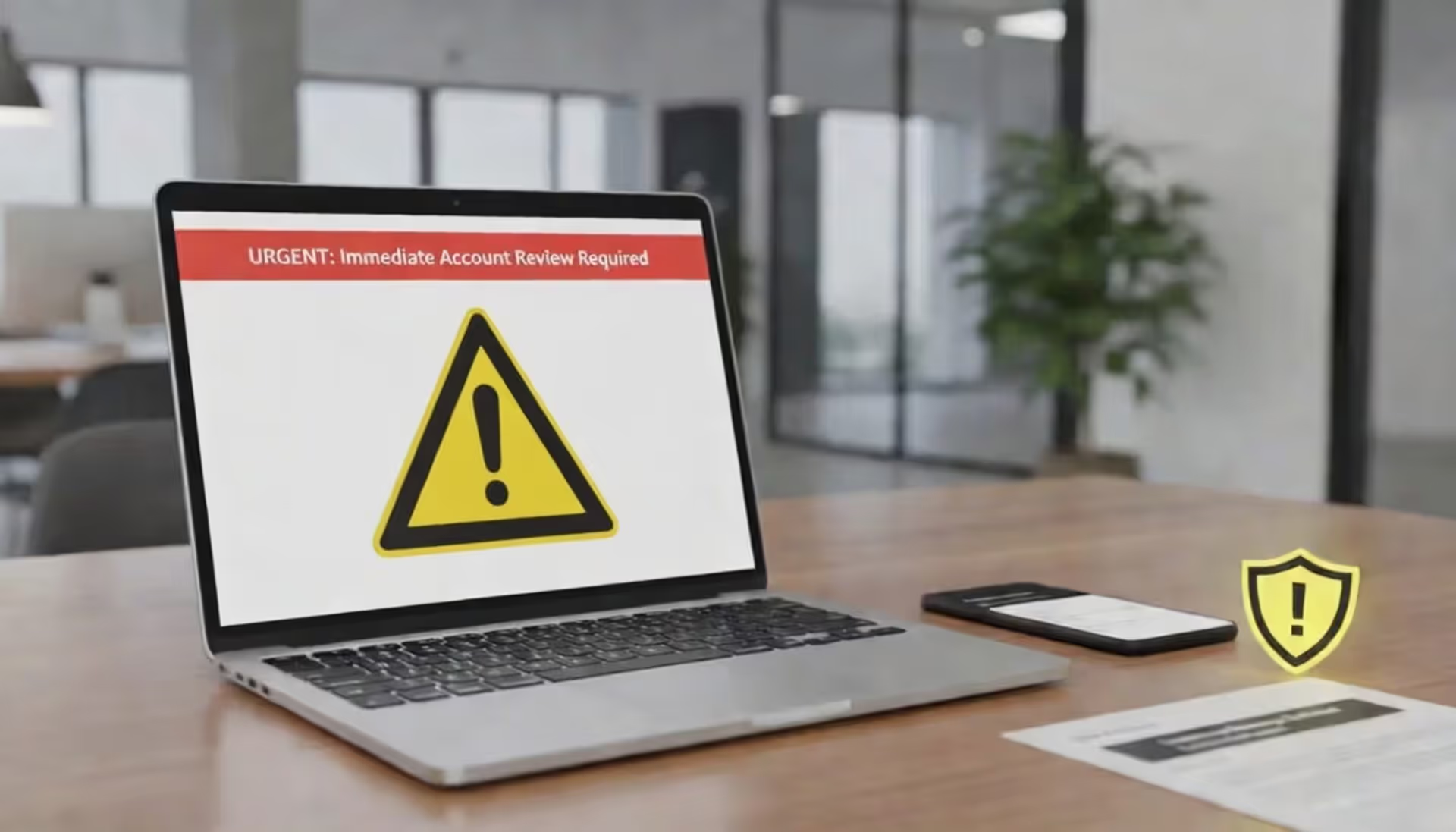
Office worker looking at laptop email and smartphone call, illustrating callback phishing risk
What Is Callback Phishing?
Mar 31, 2026
|
16 MIN
Callback phishing tricks victims into calling scammers who pose as customer support. Unlike traditional phishing, these attacks contain no malicious links—just phone numbers. Learn how this social engineering attack works, common scenarios, warning signs, and essential prevention steps

Read more

Top Stories

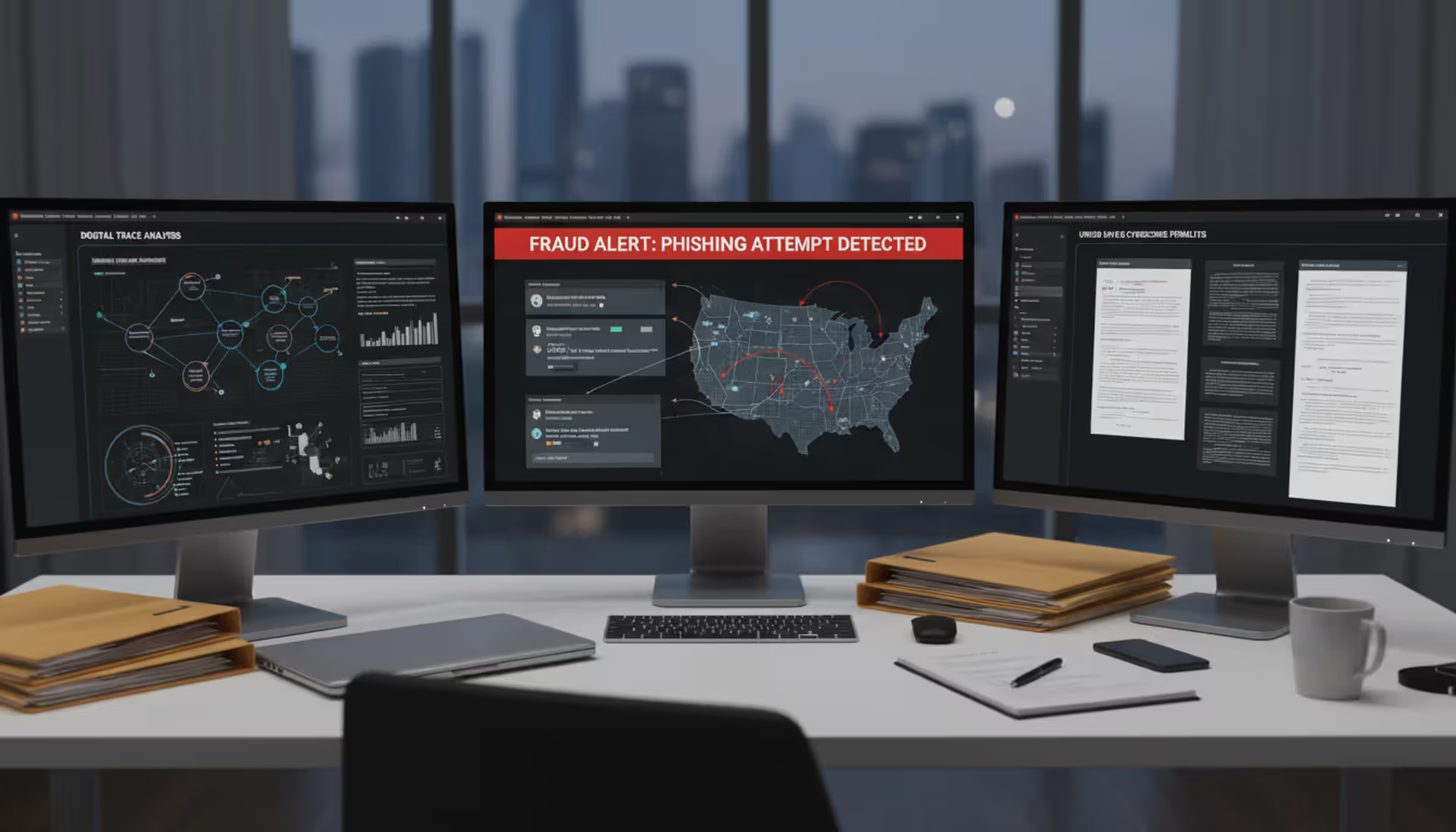
Cybercrime investigation workspace with phishing email analysis and legal enforcement theme
Is Phishing Illegal in the United States?
Mar 31, 2026
|
14 MIN
Phishing is illegal throughout the United States under multiple federal and state laws. Federal prosecutors treat phishing as serious fraud, charging offenders under wire fraud, Computer Fraud and Abuse Act, identity theft, and other statutes that carry sentences up to 20-30 years in prison

Read more

Office worker looking at laptop email and smartphone call, illustrating callback phishing risk
What Is Callback Phishing?
Mar 31, 2026
|
16 MIN
Callback phishing tricks victims into calling scammers who pose as customer support. Unlike traditional phishing, these attacks contain no malicious links—just phone numbers. Learn how this social engineering attack works, common scenarios, warning signs, and essential prevention steps

Read more

Trending

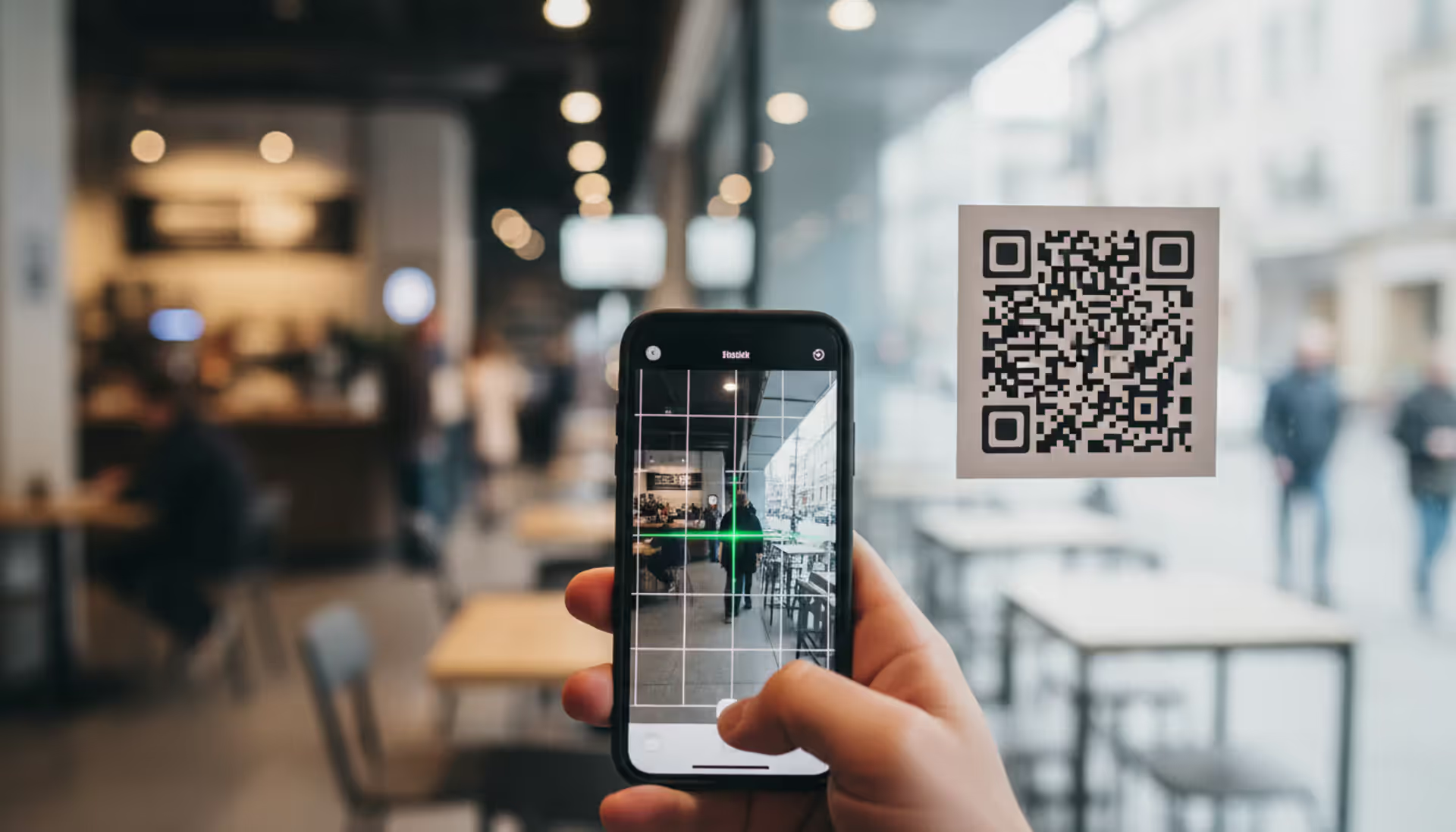
Smartphone scanning a QR code in a public place with cybersecurity risk concept
QR Phishing Explained
Mar 31, 2026
|
14 MIN
QR phishing attacks exploit trust in QR codes to steal credentials and financial data. Discover how these scams work, recognize warning signs like tampered stickers and suspicious URLs, and learn actionable steps to protect yourself from quishing attacks targeting parking meters, restaurants, and workplaces

Read more

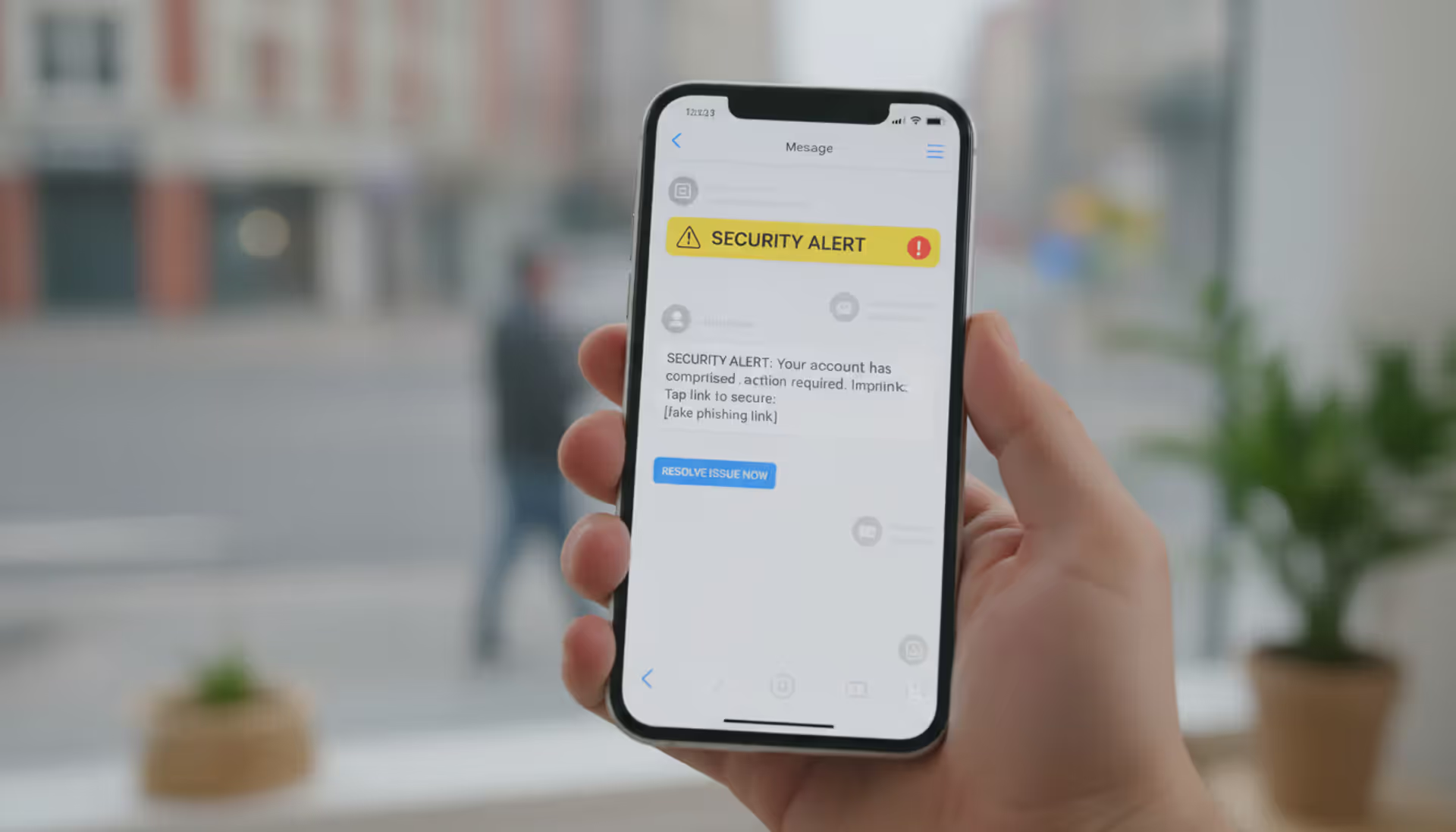
Smartphone showing suspicious phishing text messages in a real-life setting
Mobile Phishing Explained
Mar 31, 2026
|
26 MIN
Mobile phishing attacks increased 87% since 2024, targeting smartphone users through SMS, malicious apps, and fake websites. Learn to recognize red flags, understand common attack methods, and implement practical protection strategies to secure your mobile devices from evolving threats

Read more

Latest news

Smartphone showing suspicious phishing text messages in a real-life setting
Mobile Phishing Explained
Mar 31, 2026
|
26 MIN
Mobile phishing attacks increased 87% since 2024, targeting smartphone users through SMS, malicious apps, and fake websites. Learn to recognize red flags, understand common attack methods, and implement practical protection strategies to secure your mobile devices from evolving threats

Read more

Cybersecurity concept showing clone phishing emails on a laptop screen
Clone Phishing Explained
Mar 31, 2026
|
18 MIN
Clone phishing duplicates legitimate emails you've already received, replacing links or attachments with malicious versions. Unlike traditional phishing that creates fraudulent messages from scratch, clone phishing exploits the trust established by genuine communications, making detection significantly more challenging

Read more

Most read

Smartphone scanning a QR code in a public place with cybersecurity risk concept
QR Phishing Explained
Mar 31, 2026
|
14 MIN
QR phishing attacks exploit trust in QR codes to steal credentials and financial data. Discover how these scams work, recognize warning signs like tampered stickers and suspicious URLs, and learn actionable steps to protect yourself from quishing attacks targeting parking meters, restaurants, and workplaces

Read more

Smartphone showing suspicious phishing text messages in a real-life setting
Mobile Phishing Explained
Mar 31, 2026
|
26 MIN
Mobile phishing attacks increased 87% since 2024, targeting smartphone users through SMS, malicious apps, and fake websites. Learn to recognize red flags, understand common attack methods, and implement practical protection strategies to secure your mobile devices from evolving threats

Read more

disclaimer

The content on this website is provided for general informational and educational purposes only. It is intended to explain concepts related to cybersecurity awareness, online threats, phishing attacks, and data protection practices.

All information on this website, including articles, guides, and examples, is presented for general educational purposes. Cybersecurity risks and protection strategies may vary depending on individual behavior, technology usage, and threat environments.

This website does not provide professional cybersecurity, legal, or technical advice, and the information presented should not be used as a substitute for consultation with qualified cybersecurity professionals.

The website and its authors are not responsible for any errors or omissions, or for any outcomes resulting from decisions made based on the information provided on this website.